
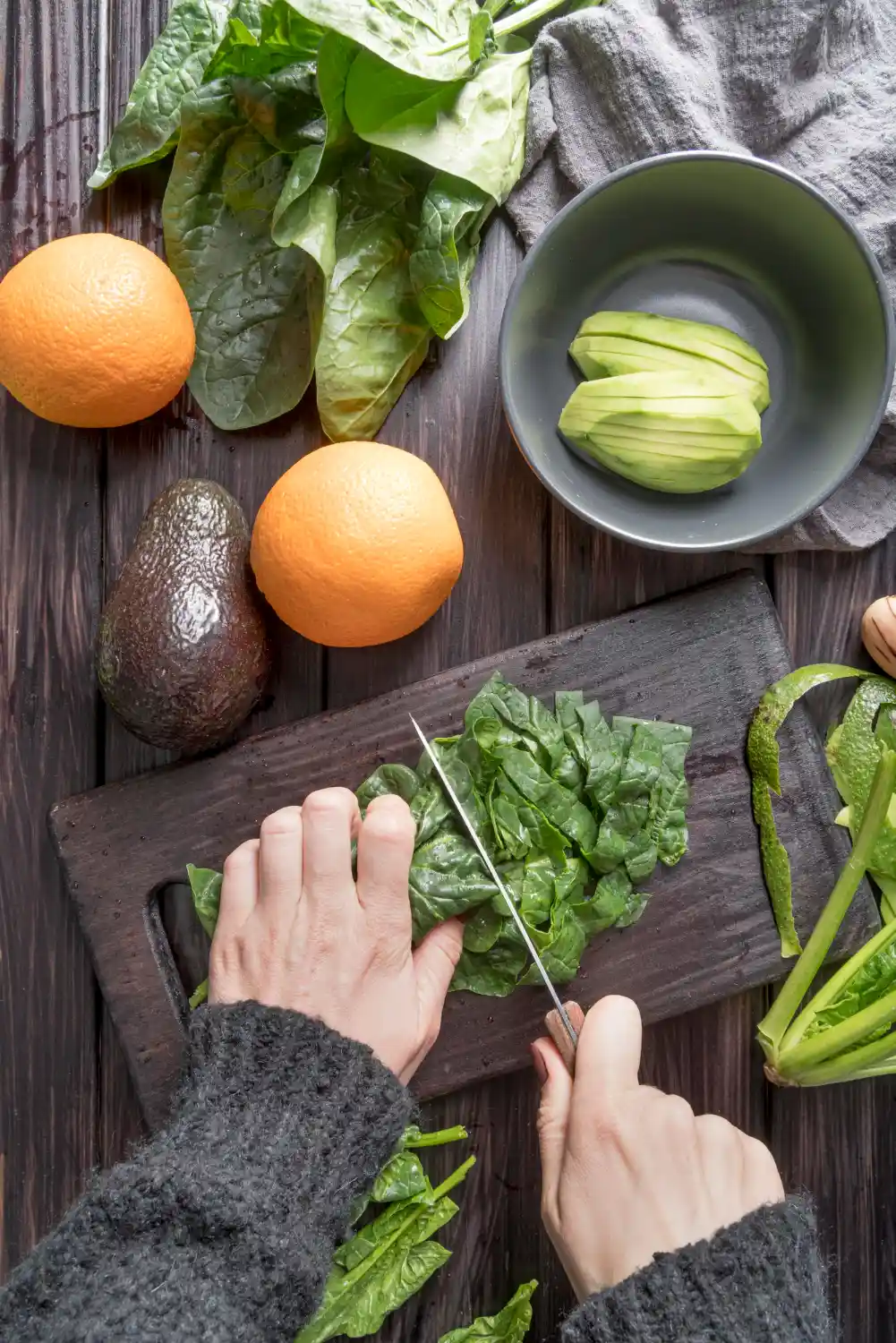
Organic food costs more. That is the fact most people start with when deciding whether to buy it.
The better question is what you get in return. When you understand the organic food benefits in the context of a raw food diet, a raw vegan diet, or a whole foods diet, the decision becomes considerably clearer.
What Organic Certification Actually Means
Organic food is produced without synthetic pesticides, artificial fertilisers, genetically modified organisms, or routine antibiotic use in livestock. In the UK, organic certification is governed by strict standards that cover the entire production process from soil management to storage.
This matters because what goes into the soil and onto the plant ends up in your food. On a raw food diet, you eat produce without cooking it first. That means every residue on the surface of that fruit or vegetable goes directly into your body.

Key Organic Food Benefits
The case for organic is stronger in some areas than others. Here is what the evidence supports.
Reduced Pesticide Exposure
Conventionally grown produce regularly contains measurable pesticide residues. Organic certification prohibits synthetic pesticide use, which consistently produces lower residue levels in organic food. For raw food diet followers who eat large volumes of fresh produce daily, this reduction compounds over time.
Higher Antioxidant Levels
Several peer-reviewed studies have found that organic crops contain higher concentrations of certain antioxidants, including polyphenols. These compounds support cellular health and reduce oxidative stress. The whole foods diet community has highlighted this finding as a meaningful reason to choose organic where possible.
No Routine Antibiotic Use in Livestock
Organic animal farming prohibits the routine use of antibiotics for growth promotion. This is significant for anyone following paleo nutrition principles who includes organic meat, dairy, or eggs in their diet. It also contributes to broader efforts to reduce antibiotic resistance.
Better Soil and Environmental Health
Organic farming practices prioritise soil health, biodiversity, and reduced chemical runoff. If you care about where your food comes from and how it is grown, organic certification aligns with those values in a direct, verifiable way.
How Organic Food Benefits Apply to Raw and Paleo Eating
The organic food benefits become most relevant when you eat food in its most unprocessed state.
Raw Food Diet and Organic Produce
On a raw food diet or raw vegan diet, you rarely cook away surface contaminants. The food reaches your digestive system largely as it came from the ground. This makes the source and quality of your produce more consequential than it is for someone eating mostly cooked food.
Paleo Nutrition and Organic Animal Products
Paleo nutrition places heavy emphasis on animal products. Organic and pasture-raised meat, eggs, and fish tend to have better omega-3 to omega-6 ratios compared to conventionally raised equivalents. For people following paleo meal ideas, choosing organic protein sources is one of the most impactful decisions you can make.
Whole Foods Diet and Long-Term Investment
A whole foods diet is built on the idea that food quality matters over time. Organic food benefits compound across years and decades of eating. The incremental cost per meal is modest when measured against the long-term return on eating cleaner, more naturally produced food.
Organic Food Benefits: Your Questions Answered
Here are the most common questions about organic food and whether it is worth the investment.
Are Organic Food Benefits Scientifically Proven?
The evidence is strongest for reduced pesticide exposure and higher antioxidant content in certain organic crops. Research is ongoing, and the degree of benefit varies by crop and growing conditions. The strongest case is for produce eaten raw, where residue reduction has the most direct impact.
Is Organic Food Worth It on a Budget?
You do not need to buy everything organic. The highest-priority items are those you eat in large quantities and those with the highest pesticide residue rates under conventional farming. Prioritising organic leafy greens, berries, apples, and peppers gives you the most meaningful return.
Does Organic Taste Better?
Many people report a difference in flavour, particularly with organic tomatoes, berries, and root vegetables. This is partly due to soil quality and partly due to the fact that organic produce is often grown in smaller quantities with more attention to ripeness. Taste is subjective, but the correlation with soil health is real.
Can You Follow a Raw Vegan Diet on Organic Food Alone?
Yes. A fully raw vegan diet based on organic produce is nutritionally achievable with planning. You will need to supplement vitamin B12 regardless of whether your food is organic or conventional, as no plant food provides a reliable B12 source.
How Do Organic Food Benefits Compare to Paleo Meal Ideas?
They are complementary, not competing. Paleo nutrition focuses on food categories: meat, fish, vegetables, fruits, nuts, seeds. Organic food benefits are about quality within those categories. Applying both frameworks together gives you a diet that is both structurally sound and sourced to the highest standard.