
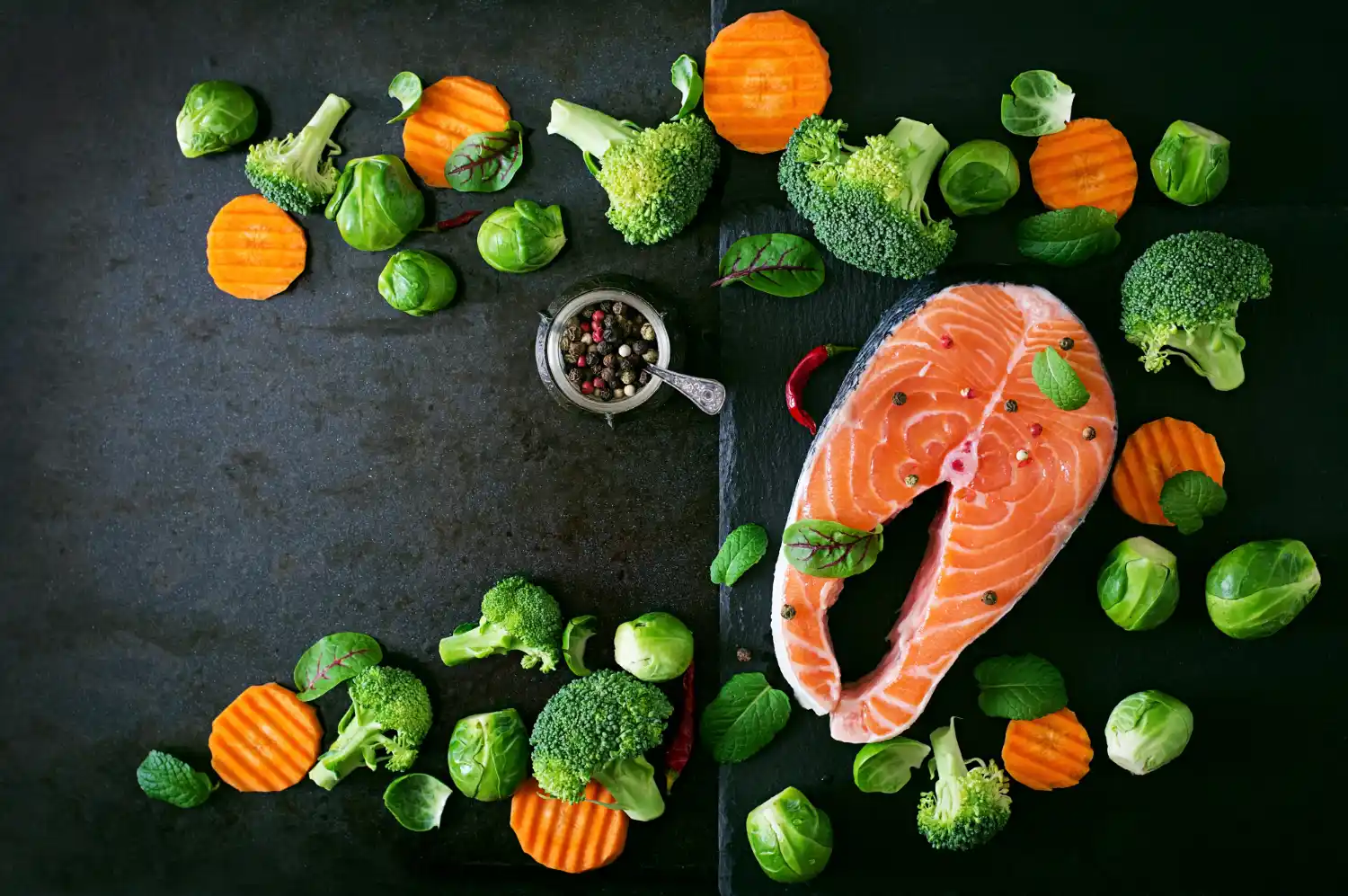
The Raw Food Diet: Everything You Need to Know
A raw food diet is one of the most natural ways to nourish your body. When you eat food in its unprocessed, uncooked state, you preserve the enzymes, vitamins, and minerals that heat destroys.
More people are turning to whole, living foods to improve their digestion, energy, and long-term health. Whether you are curious about raw veganism, exploring paleo nutrition, or simply want to understand organic food benefits, this guide covers everything.
What Is a Raw Food Diet?
A raw food diet consists of foods that have not been heated above 40 to 48 degrees Celsius. The idea is simple: food in its natural state retains more nutritional value than food that has been cooked, refined, or processed.
Who Is It For?
It suits anyone who wants to eat closer to nature. From people exploring a raw vegan diet to those following paleo meal ideas, the raw food approach adapts to a wide range of lifestyles and goals.
Why Does It Matter?
The standard modern diet is built on processed, nutrient-depleted food. A whole foods diet shifts that pattern, giving your body the fuel it was designed to use.
The Core Principles of Raw Food Eating
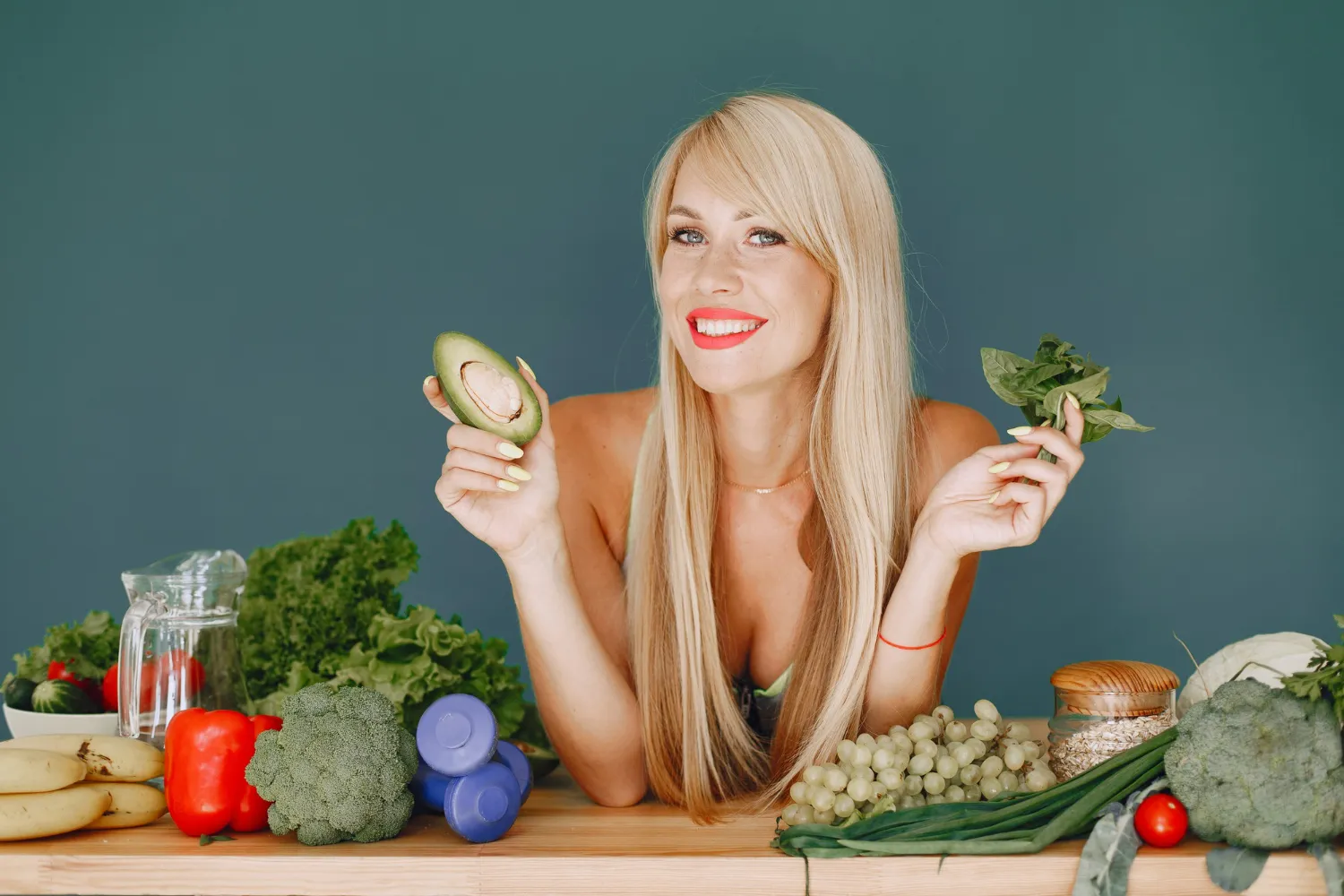
The raw food diet is built on a simple foundation: eat food as close to its natural state as possible. That means fruits, vegetables, nuts, seeds, and sprouted grains take centre stage.
Most people who follow this diet consume food that is entirely plant-based, though some variations include raw dairy, raw fish, or raw meat. The most widely practised version is the raw vegan diet, which excludes all animal products.
Organic food benefits become especially relevant here. When you eat raw produce, you consume everything on the surface of that food. Choosing organic reduces your exposure to pesticides and synthetic chemicals, making your raw diet cleaner and safer.
How to Start a Raw Food Diet
Starting is easier than you might expect. You do not need to change everything at once.
Begin with Breakfast
Replace your usual breakfast with fresh fruit, a green smoothie, or a raw nut and seed bowl. This single change introduces your body to raw food without overwhelming it.
Add Raw Lunches
Build a raw lunch around leafy greens, chopped vegetables, soaked nuts, and a simple dressing made from lemon, olive oil, and herbs. This mirrors many paleo meal ideas that focus on whole, unprocessed ingredients.
Keep Dinner Flexible
Many people on a raw food diet eat a cooked dinner, especially when starting out. A whole foods diet does not have to be all-or-nothing. Progress matters more than perfection.
Stock Your Kitchen Correctly
The right tools make raw food preparation enjoyable. A high-speed blender, a food processor, and a dehydrator cover most of what you need. Fresh, seasonal produce forms the backbone of every meal.
Learn Paleo Nutrition Principles Alongside Raw Eating
Paleo nutrition focuses on foods that would have been available to our ancestors: meat, fish, vegetables, fruits, nuts, and seeds. Many of these overlap directly with raw food eating. Understanding both approaches gives you more flexibility and a stronger nutritional foundation.
Stay Consistent Without Being Rigid
A rigid all-or-nothing mindset leads most people to quit within weeks. Aim for 70 to 80 percent raw to start. Your body will adapt, your preferences will shift, and adding more raw food will feel natural over time.
Common Raw Food Diet Mistakes to Avoid
Starting well saves you weeks of frustration.
Not Eating Enough Calories
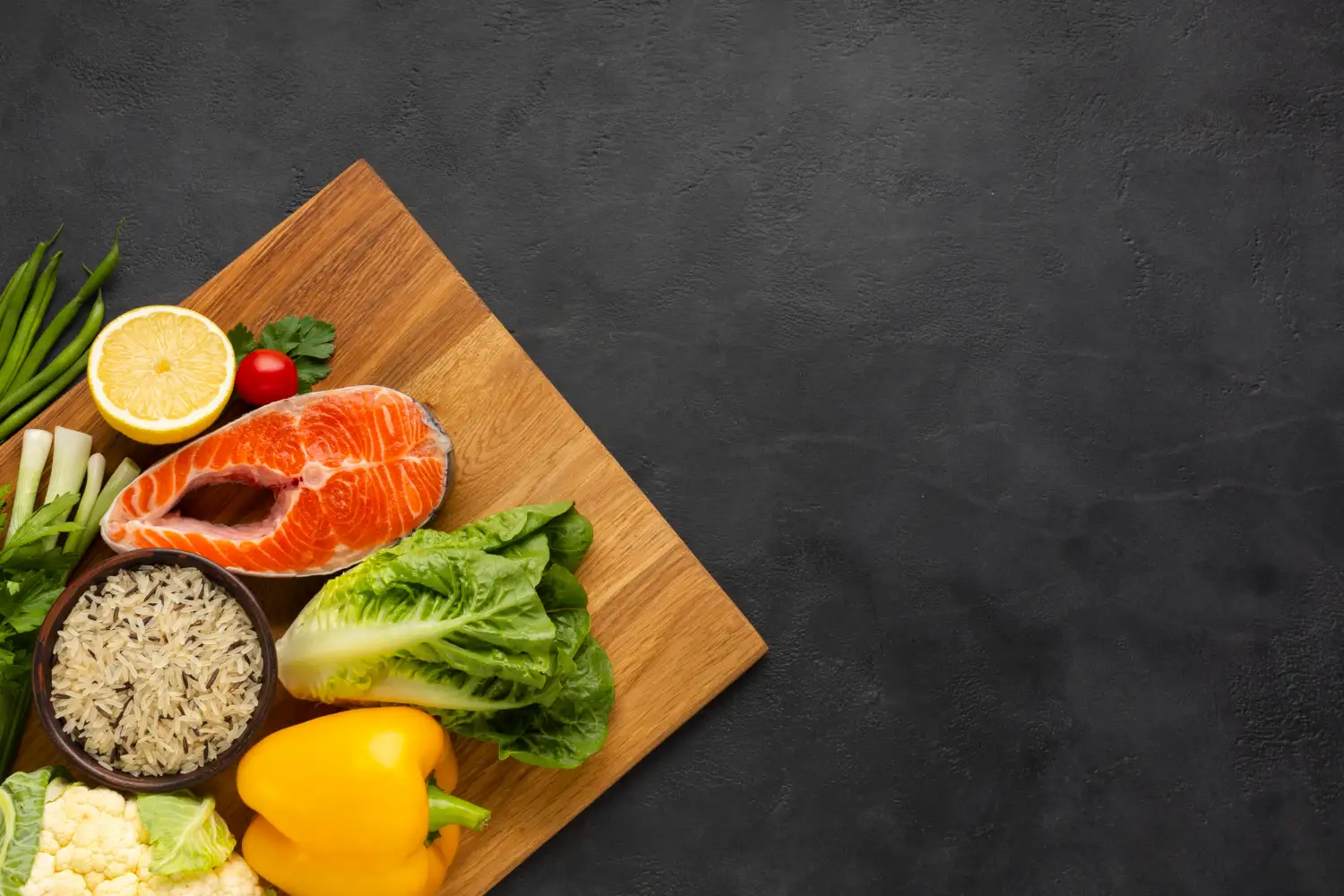
Raw plant foods are low in calorie density. You need to eat larger volumes than you are used to. Many beginners undereat and blame the diet when fatigue sets in.
Ignoring Protein Sources
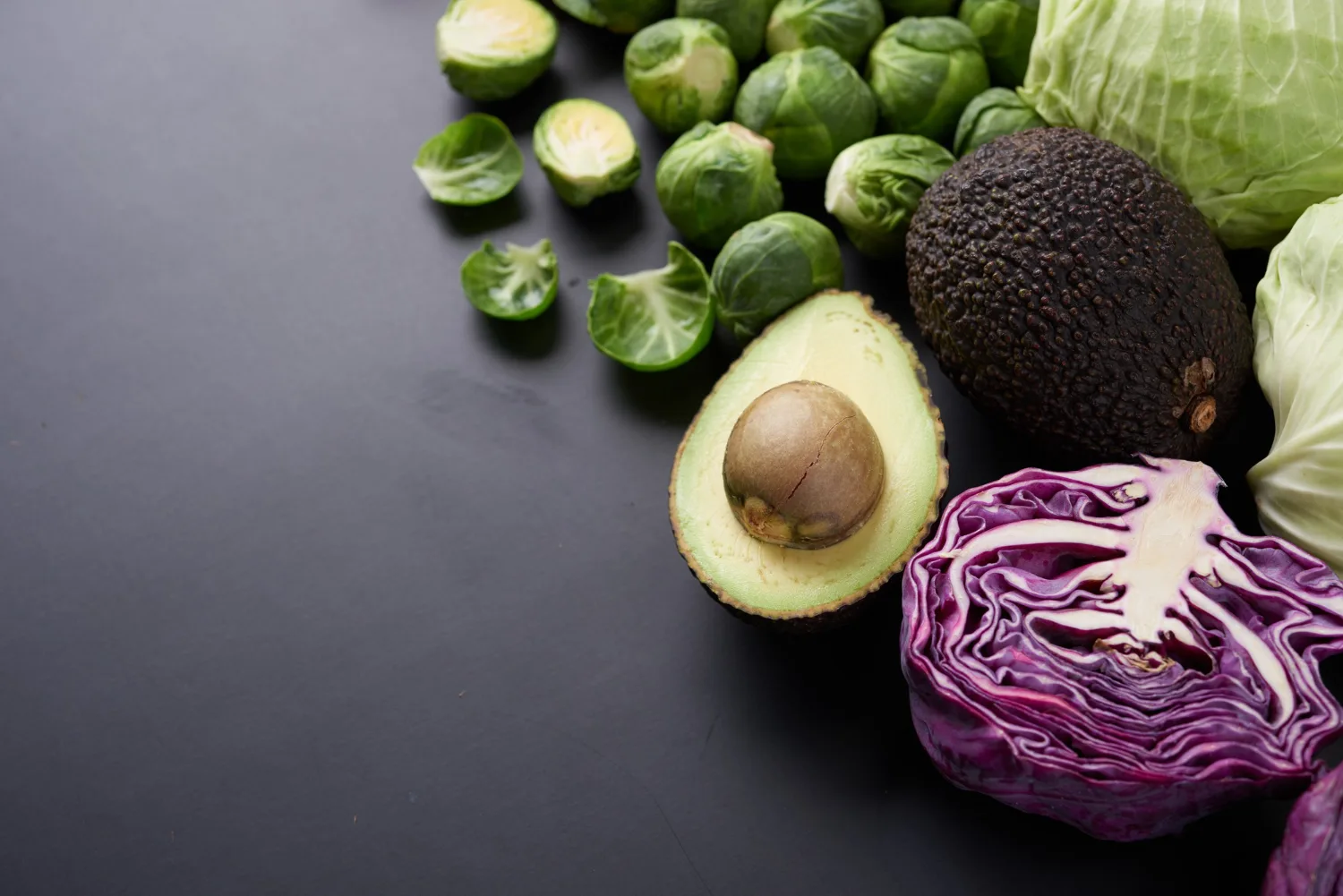
Nuts, seeds, hemp, sprouted legumes, and leafy greens all provide protein on a raw vegan diet. Pair them intentionally across your meals rather than leaving it to chance.
Skipping Healthy Fats
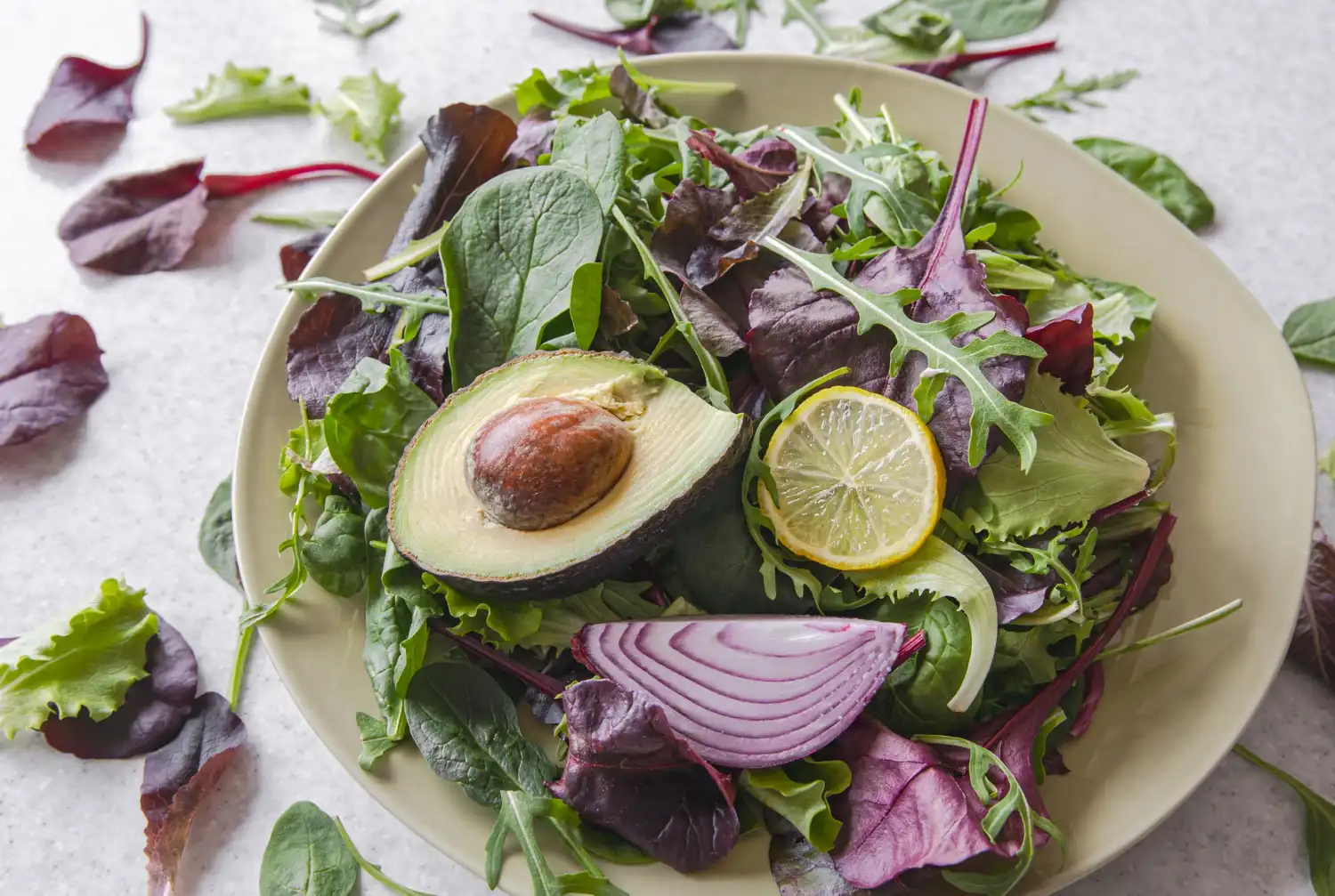
Avocado, raw nuts, and cold-pressed oils are essential. They support hormone function, brain health, and the absorption of fat-soluble vitamins. Do not fear them.
Forgetting Vitamin B12
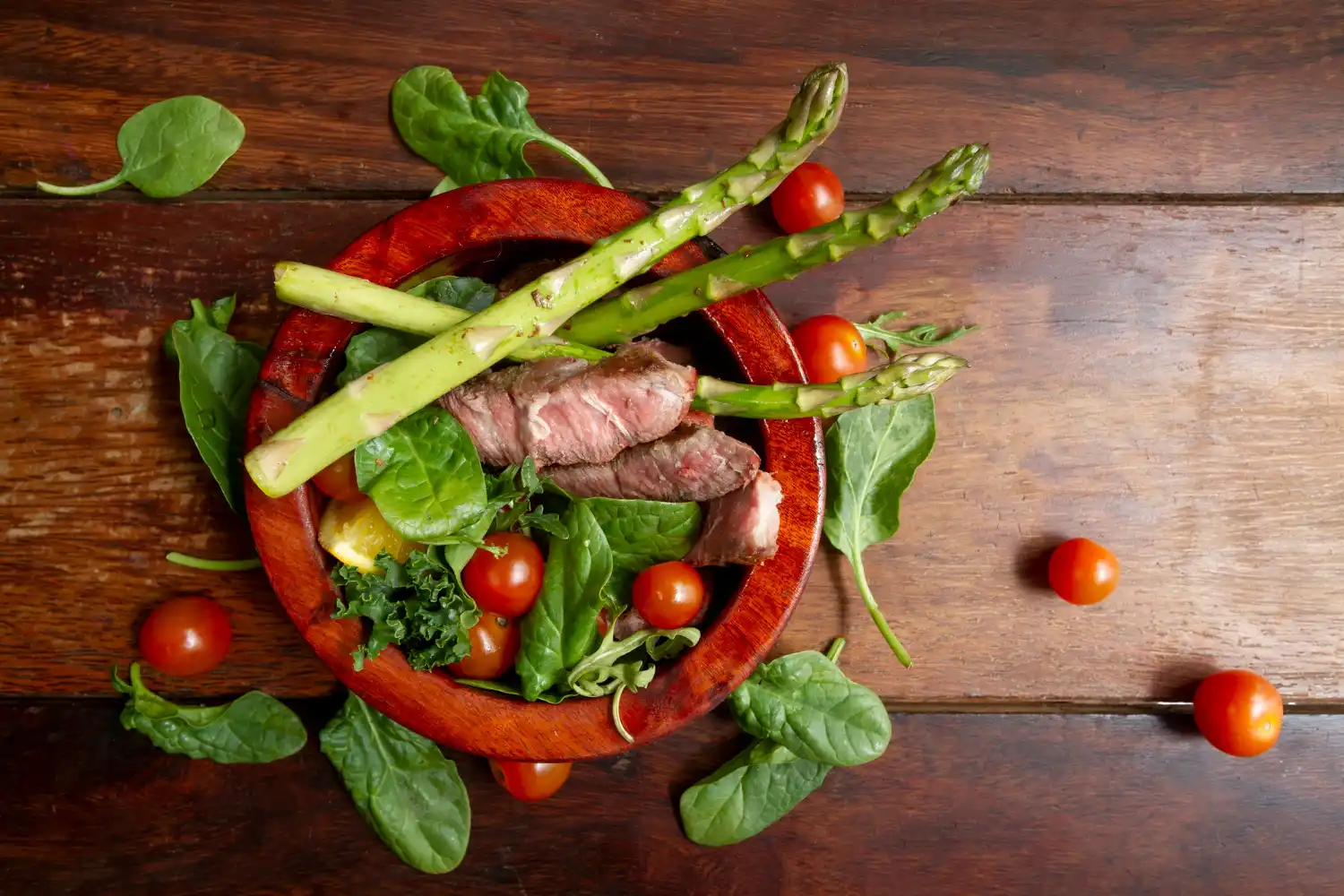
A raw vegan diet provides no reliable source of B12. Supplement daily and get your levels tested regularly.
Relying on Too Many Raw Desserts
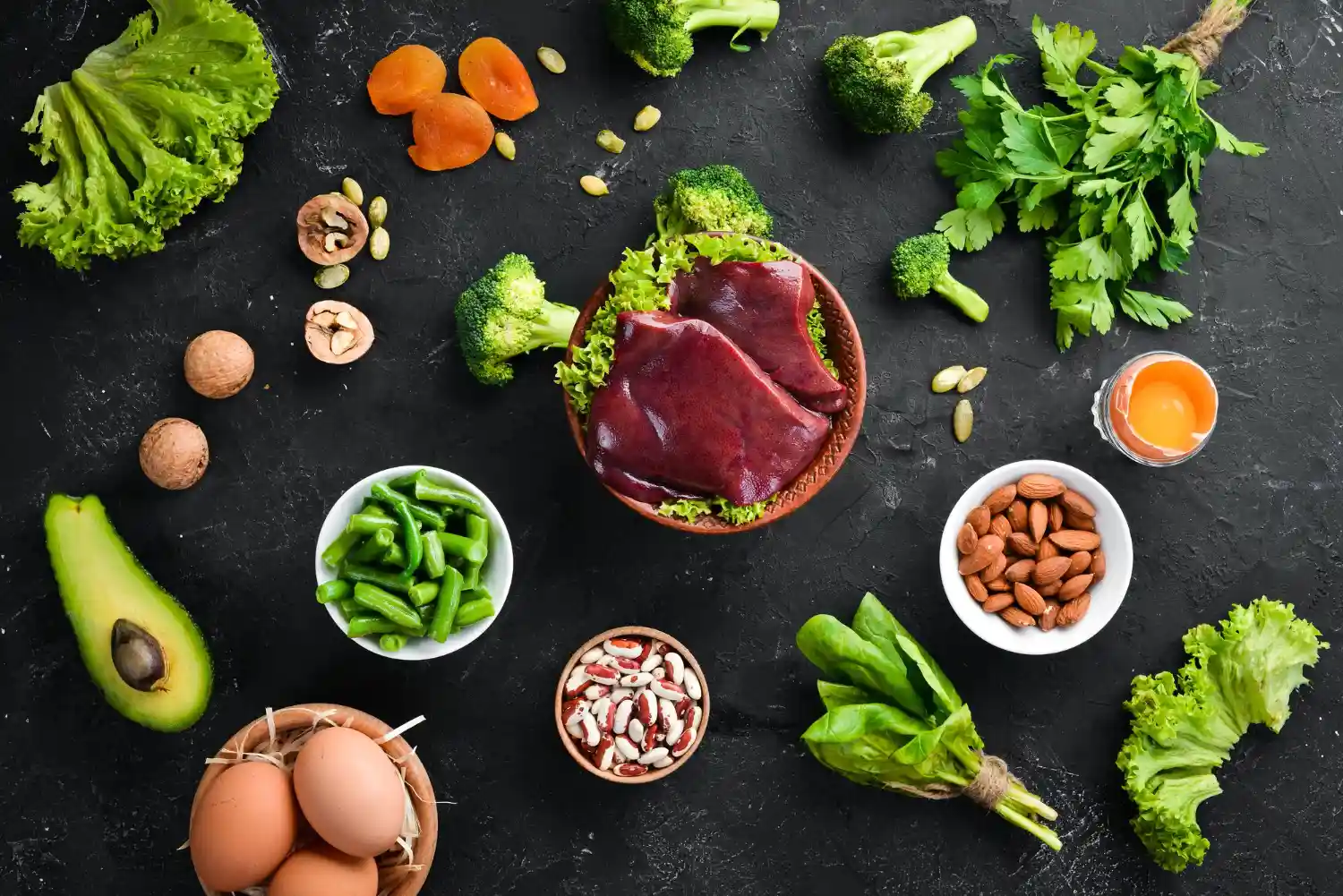
Raw cakes, bliss balls, and nut-based desserts are made from whole ingredients, but they are calorie-dense. Enjoy them occasionally rather than as a daily staple.
Frequently Asked Questions?
Here are the most common questions from people exploring raw food eating for the first time.
Is a Raw Food Diet Safe?
Yes, when planned properly. You need to pay attention to vitamin B12, vitamin D, calcium, iron, zinc, and omega-3 fatty acids. These nutrients require intentional sourcing or supplementation on a fully raw vegan diet.
Can You Eat Raw Meat or Fish on a Raw Food Diet?
Some versions of the diet include raw animal products such as sashimi or carpaccio. However, the most widely practised and studied form is the raw vegan diet, which is entirely plant-based.
How Many Calories Should You Eat Per Day?
This depends on your body size, activity level, and goals. Most adults need at least 2,000 calories per day. On a raw food diet, reaching that number requires intentional meal planning and adequate portions.
Will a Raw Food Diet Help With Weight Loss?
It can. Raw plant foods are high in fibre and water, which supports satiety. Many people naturally reduce their calorie intake when switching to a whole foods diet without counting anything.
What Is the Difference Between Raw Vegan and Paleo?
A raw vegan diet excludes all animal products and avoids cooking. A paleo diet includes meat, fish, and eggs but focuses on whole, unprocessed foods. Both share a rejection of refined food and a focus on paleo nutrition principles.
How Do I Get Enough Iron Without Cooking?
Raw plant sources of iron include pumpkin seeds, hemp seeds, spinach, and dried apricots. Eating them alongside vitamin C-rich foods improves absorption significantly.
Start Your Raw Food Journey with Cru8 Foods
The raw food diet offers a straightforward path to eating more naturally, more nourishing food. With the right guidance, it is practical, satisfying, and sustainable.
Cru8 Foods is built for people who want to eat better without complication. Explore our resources to build a raw food diet that works for your life.